View
SCroll

Why Digital Out-of-Home Should Be in Every Political Media Plan

DOOH reaches voters where digital channels can't, with no platform blackouts, built-in compliance, and programmatic targeting. This is your guide for 2026 midterm campaigns.
By
Emily Griffin
,
Senior Brand Manager

The 2026 midterm elections are shaping up to be the most expensive advertising cycle in U.S. history. According to AdImpact, political ad spending is projected to reach $11.6 billion this cycle, surpassing even the 2024 presidential election. Roughly half of all political ad dollars are expected to be spent in the final 30 days leading up to Election Day on November 3rd. 

However, there’s a challenge most political advertisers are running into: the digital channels they’ve relied on for years are getting harder to activate on.

Google now requires end-advertiser identity verification before a single election ad can serve. Meta enforces a week-long freeze on new political and issue ads before Election Day in addition to self-disclosure on anything AI-generated. Over 30 states have passed laws requiring on-ad disclaimers for all AI-generated or synthetic political content. And, as CTV absorbs more political spend ($2.48 billion projected for this cycle alone), inventory in battleground markets is tightening fast.

That’s where digital out-of-home advertising (DOOH) enters the conversation. Unlike social, search, or streaming platforms, DOOH isn’t subject to platform-level ad freezes, identity verification queues, or content moderation. It’s a compliant, unskippable channel that reaches voters in the real-world environments that they move through every day. And to top it all off, advertisements can run right up to the close of polls on Election Day.

How DOOH reaches voters where other channels can’t

What makes DOOH uniquely valuable for political campaigns is that it reaches people in the one environment that no other channel can reach: outside  their homes. Voters aren’t just scrolling on their phone; they’re commuting, running errands, grabbing coffee, getting gas, and going on walks in their neighborhood. DOOH meets them in those moments with a message that can’t be skipped, blocked, or swiped past.

It places messaging within natural, everyday moments when consumers are more receptive. The data backs this up. According to the OAAA, 78% of U.S. adults report taking action after recently seeing an out-of-home ad. For political campaigns, that action might be looking up a candidate, visiting a campaign website, or simply remembering a name when they step into the voting booth.  
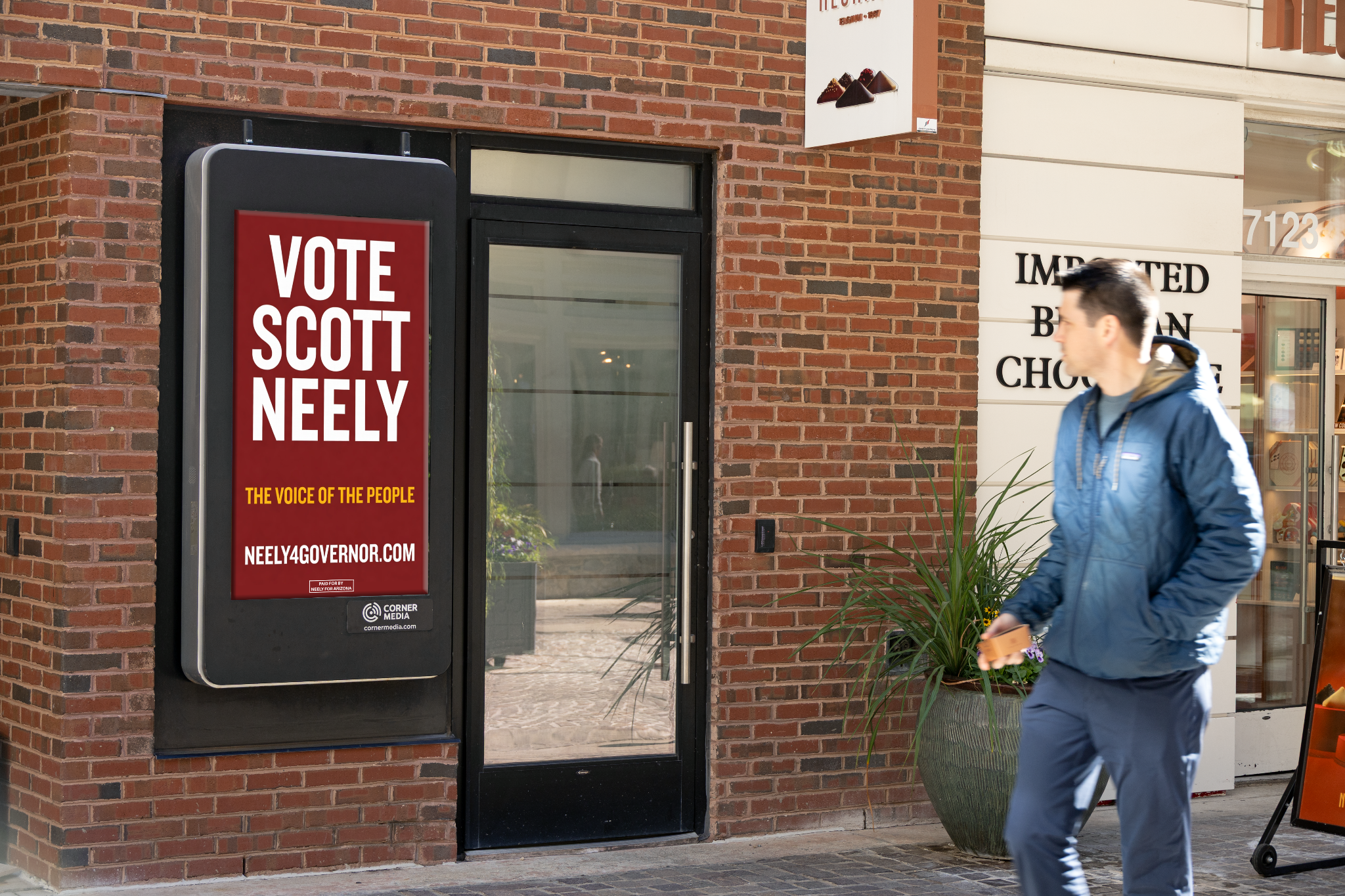
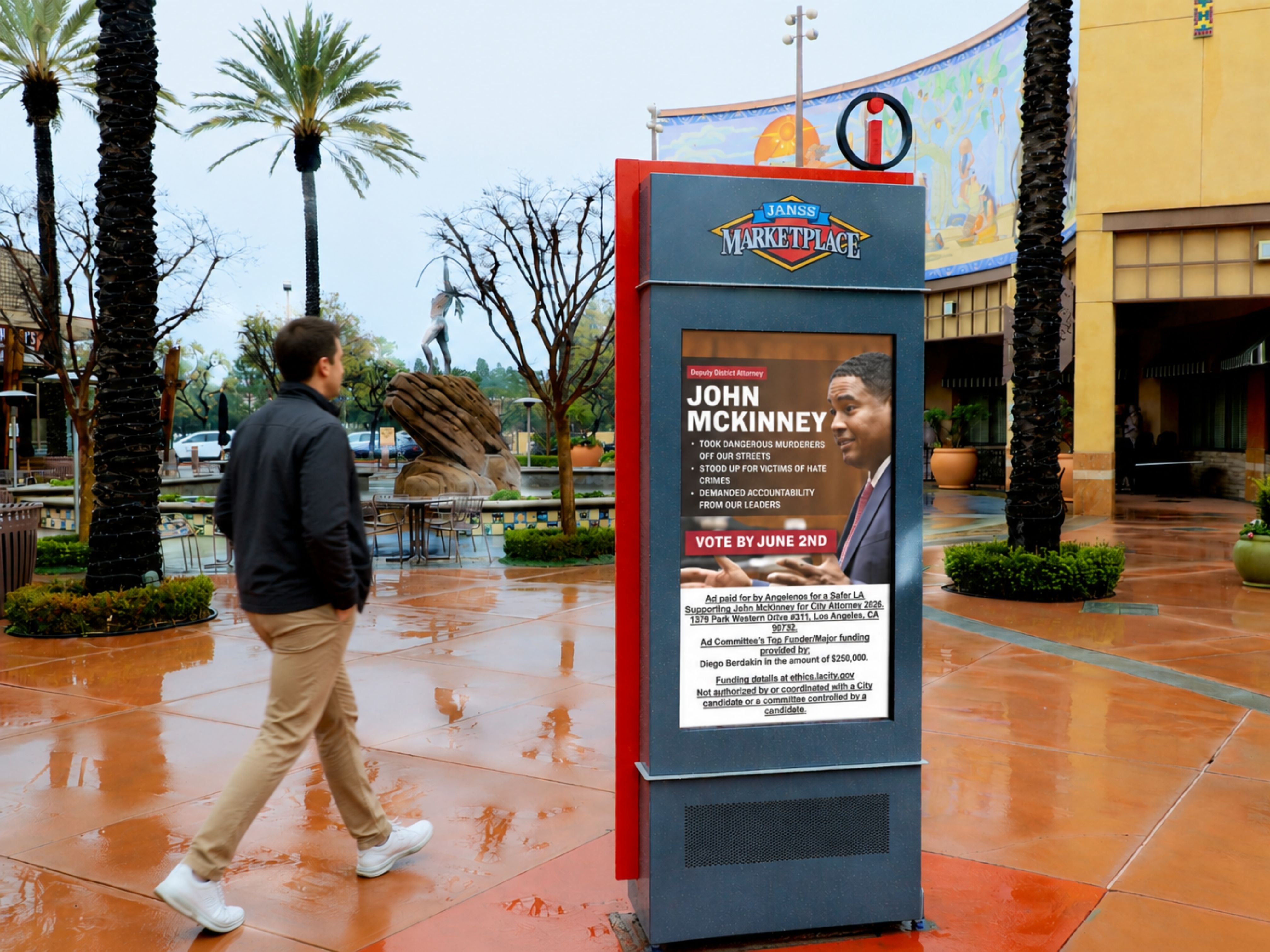
Political DOOH Advertisement Urban Panel

Not all DOOH is programmatic, but prDOOH does leverage the same audience-targeting capabilities political buyers are used to from digital. With first- and third-party data partners, advertisers can layer over 5,000 audience segments based on political affiliation, voter frequency, registration status, and more to identify the specific screens that over-index against their target voters.

Screenverse, for example, has identified more than 24,000 digital screens that over-index by 120 against political audience segments, generating over 2.6 billion monthly impressions. That means these screens are 20% more likely to be in locations where the target voter audience is present. These segment examples include political party affiliations, voting frequency, and district of residence, among other factors. All of this data helps campaigns reach the right audience with your messages.

Compliance is built into DOOH

One of the biggest hesitations political advertisers have about any new channel is compliance. Political advertising is the one category where getting it wrong isn’t just a brand problem; it’s a legal one. Fortunately, with DOOH, everything is handled before a single impression is served. All disclaimers, authorization language, location restrictions near polling places, and state-by-state creative requirements are handled by the DOOH network prior to launch.

DOOH handles this differently than most digital channels, which typically put the burden on the advertiser. In OOH, networks have pre-built compliance rules, required disclaimer checks, and a second-layer creative approval process baked into their workflows. This means less legal risk and faster launch times for campaign teams that are often operating on tight deadlines.

For nonpartisan campaigns (think voter education, PSAs, or issue advocacy), nearly all of Screenverse’s DOOH inventory is available for activation. 
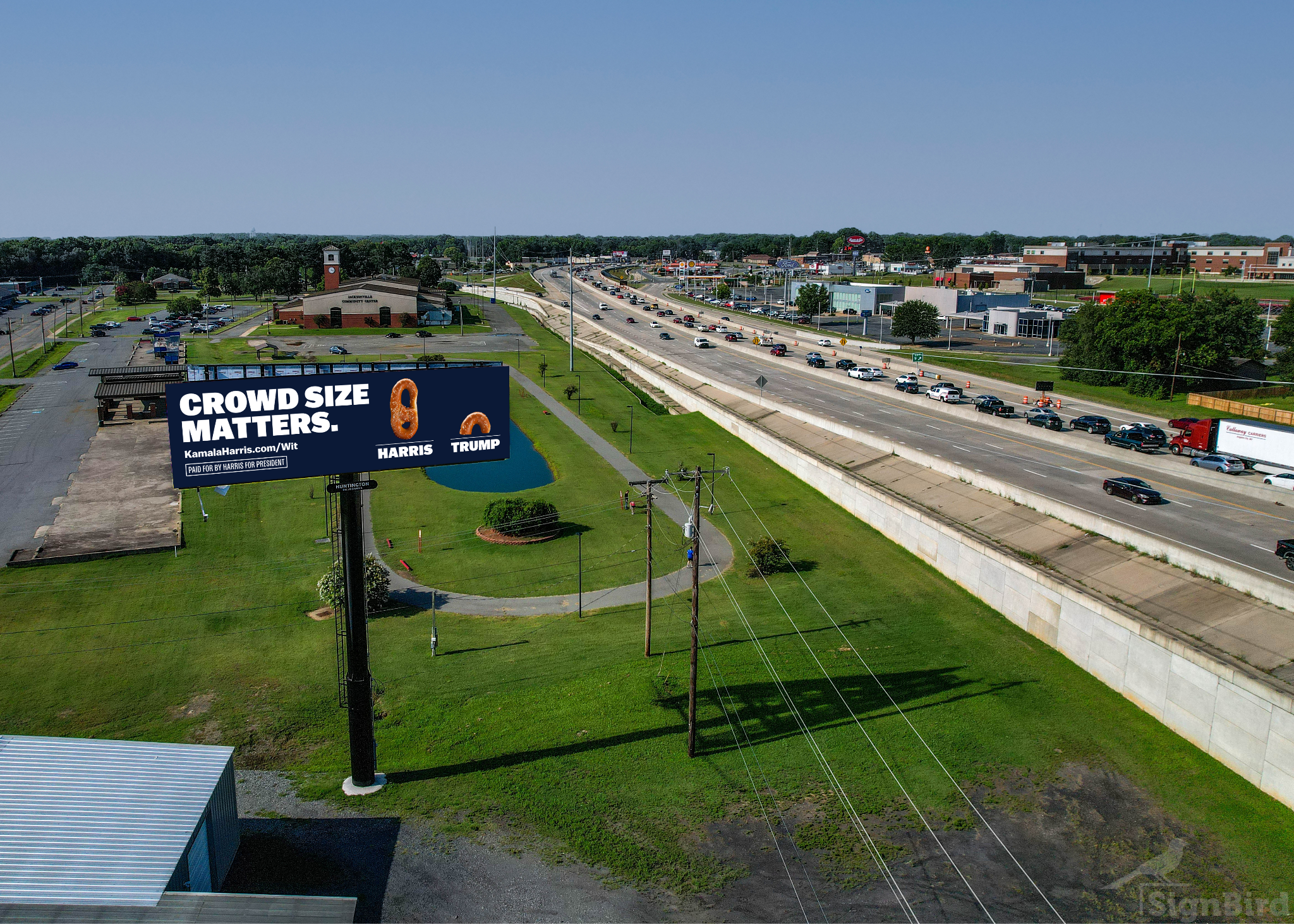
Billboard DOOH ad for political elections

For partisan campaigns (candidate ads, party messaging, lobbying), DOOH inventory is more selective, but still substantial. Screenverse has more than 13,000 digital screens that accept partisan advertising across six DOOH networks and 80+ individual billboard operators. The key difference from other digital channels is that there’s no platform-mandated blackout period. While Meta freezes new political ads in the week before an election, DOOH creative can keep running and changing right up to the moment polls close.

That said, DOOH still faces some restrictions on political advertising. Disclaimer requirements vary state by state, no political advertising is accepted in schools, and there is a 200-foot restriction on screens in or near polling places on voting day. Fortunately, these rules are well-documented and built into the network approval process in advance.

A media plan that moves with the race

Political campaigns move with the race itself, which is perfect because DOOH is built for that exact kind of flexibility. 

A sample media plan could look like this:

Early awareness phase: Leverage digital screens in residential and office environments to build name recognition across home markets and districts. 

GOTV Surge (Final Weeks): As the race tightens, shift budgets to high-frequency placements in base-turnout neighborhoods by layering in urban panels and retail screens to maximize visibility.

Final Days: This includes early voting windows and Election Day itself; use point-of-interest (POI) targeting to run ads on screens within a few miles of polling sites. Have location-specific creative reminding voters to cast their vote as a final touchpoint to drive urgency in the highest-dwell environments.

All of this is done programmatically, meaning campaigns can adjust targeting, shift budgets between markets, and update creative in real time without renegotiating deals or restarting approval processes. Dynamic Creative Optimization (DCO) takes it one step further, allowing messaging to change automatically based on live conditions (after a debate, endorsement, or major news event).  
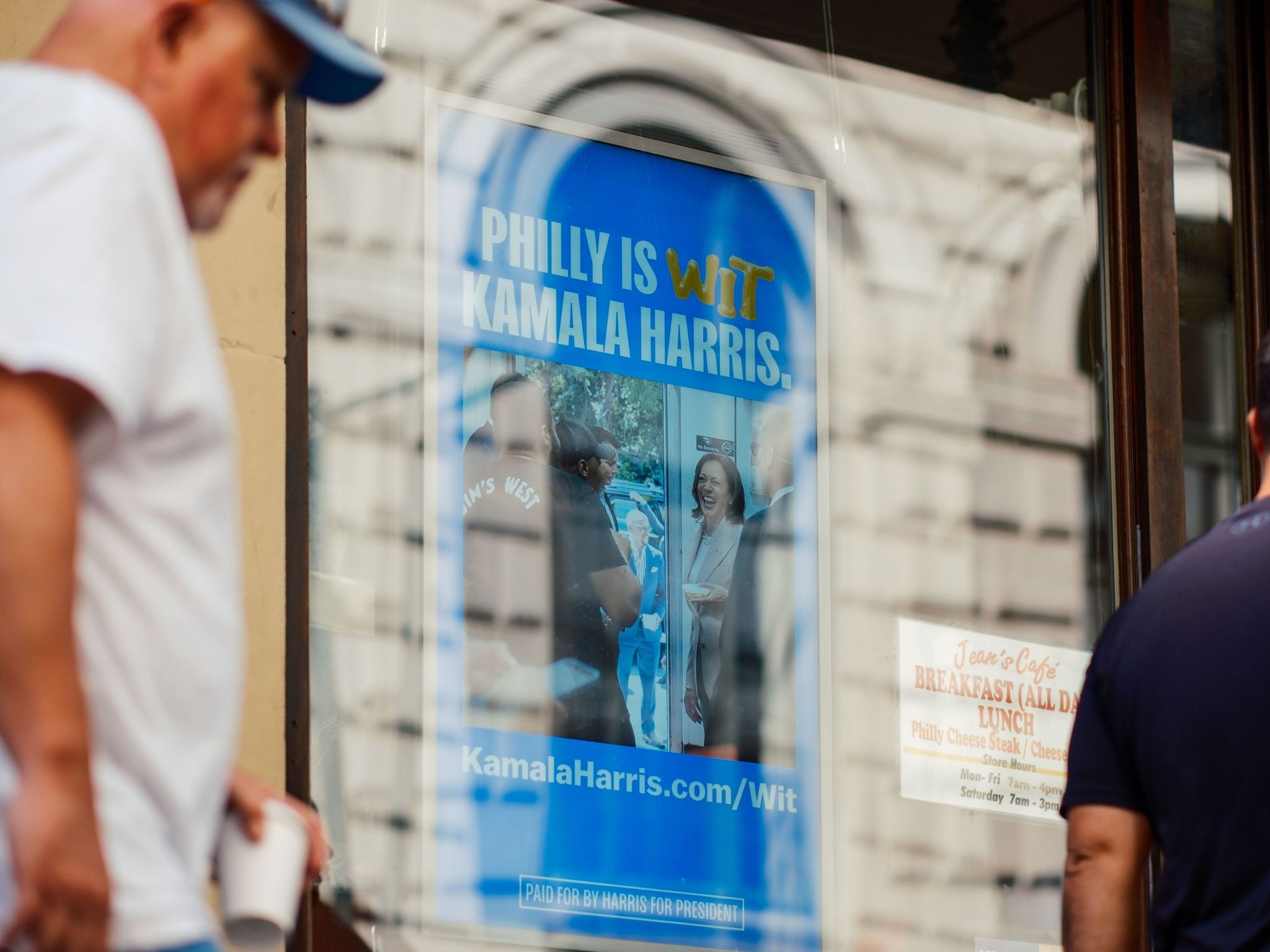
Political DOOH Ad

For campaigns managing multiple races across multiple states, bundled inventory packages simplify the buy even further. Rather than negotiating with individual screen networks, campaigns can activate across multiple venue types under a single deal ID pre-cleared for political creative (note: this capability depends on the SSP platform the campaign runs on). 

Build your Midterm campaign with DOOH 

With the 2026 midterms on track to set spending records and digital platforms tightening their restrictions on political advertising, DOOH offers something unique: a compliant, scalable, programmatic channel that reaches voters in the physical world without platform risk.

Whether you’re running a nonpartisan voter education campaign nationwide or a targeted partisan GOTV push in a single congressional district, Screenverse can help you build, target, and measure a political DOOH campaign that’s live before your next filing deadline. Contact the Screenverse team to get started.

Emily Griffin
,
Senior Brand Manager

Emily has been on the Screenverse marketing team since 2024. She specializes in all things branding, social media, content marketing, public relations, and event planning.

The 2026 midterm elections are shaping up to be the most expensive advertising cycle in U.S. history. According to AdImpact, political ad spending is projected to reach $11.6 billion this cycle, surpassing even the 2024 presidential election. Roughly half of all political ad dollars are expected to be spent in the final 30 days leading up to Election Day on November 3rd. 

However, there’s a challenge most political advertisers are running into: the digital channels they’ve relied on for years are getting harder to activate on.

Google now requires end-advertiser identity verification before a single election ad can serve. Meta enforces a week-long freeze on new political and issue ads before Election Day in addition to self-disclosure on anything AI-generated. Over 30 states have passed laws requiring on-ad disclaimers for all AI-generated or synthetic political content. And, as CTV absorbs more political spend ($2.48 billion projected for this cycle alone), inventory in battleground markets is tightening fast.

That’s where digital out-of-home advertising (DOOH) enters the conversation. Unlike social, search, or streaming platforms, DOOH isn’t subject to platform-level ad freezes, identity verification queues, or content moderation. It’s a compliant, unskippable channel that reaches voters in the real-world environments that they move through every day. And to top it all off, advertisements can run right up to the close of polls on Election Day.

How DOOH reaches voters where other channels can’t

What makes DOOH uniquely valuable for political campaigns is that it reaches people in the one environment that no other channel can reach: outside  their homes. Voters aren’t just scrolling on their phone; they’re commuting, running errands, grabbing coffee, getting gas, and going on walks in their neighborhood. DOOH meets them in those moments with a message that can’t be skipped, blocked, or swiped past.

It places messaging within natural, everyday moments when consumers are more receptive. The data backs this up. According to the OAAA, 78% of U.S. adults report taking action after recently seeing an out-of-home ad. For political campaigns, that action might be looking up a candidate, visiting a campaign website, or simply remembering a name when they step into the voting booth.  

Political DOOH Advertisement Urban Panel

Not all DOOH is programmatic, but prDOOH does leverage the same audience-targeting capabilities political buyers are used to from digital. With first- and third-party data partners, advertisers can layer over 5,000 audience segments based on political affiliation, voter frequency, registration status, and more to identify the specific screens that over-index against their target voters.

Screenverse, for example, has identified more than 24,000 digital screens that over-index by 120 against political audience segments, generating over 2.6 billion monthly impressions. That means these screens are 20% more likely to be in locations where the target voter audience is present. These segment examples include political party affiliations, voting frequency, and district of residence, among other factors. All of this data helps campaigns reach the right audience with your messages.

Compliance is built into DOOH

One of the biggest hesitations political advertisers have about any new channel is compliance. Political advertising is the one category where getting it wrong isn’t just a brand problem; it’s a legal one. Fortunately, with DOOH, everything is handled before a single impression is served. All disclaimers, authorization language, location restrictions near polling places, and state-by-state creative requirements are handled by the DOOH network prior to launch.

DOOH handles this differently than most digital channels, which typically put the burden on the advertiser. In OOH, networks have pre-built compliance rules, required disclaimer checks, and a second-layer creative approval process baked into their workflows. This means less legal risk and faster launch times for campaign teams that are often operating on tight deadlines.

For nonpartisan campaigns (think voter education, PSAs, or issue advocacy), nearly all of Screenverse’s DOOH inventory is available for activation. 

Billboard DOOH ad for political elections

For partisan campaigns (candidate ads, party messaging, lobbying), DOOH inventory is more selective, but still substantial. Screenverse has more than 13,000 digital screens that accept partisan advertising across six DOOH networks and 80+ individual billboard operators. The key difference from other digital channels is that there’s no platform-mandated blackout period. While Meta freezes new political ads in the week before an election, DOOH creative can keep running and changing right up to the moment polls close.

That said, DOOH still faces some restrictions on political advertising. Disclaimer requirements vary state by state, no political advertising is accepted in schools, and there is a 200-foot restriction on screens in or near polling places on voting day. Fortunately, these rules are well-documented and built into the network approval process in advance.

A media plan that moves with the race

Political campaigns move with the race itself, which is perfect because DOOH is built for that exact kind of flexibility. 

A sample media plan could look like this:

Early awareness phase: Leverage digital screens in residential and office environments to build name recognition across home markets and districts. 

GOTV Surge (Final Weeks): As the race tightens, shift budgets to high-frequency placements in base-turnout neighborhoods by layering in urban panels and retail screens to maximize visibility.

Final Days: This includes early voting windows and Election Day itself; use point-of-interest (POI) targeting to run ads on screens within a few miles of polling sites. Have location-specific creative reminding voters to cast their vote as a final touchpoint to drive urgency in the highest-dwell environments.

All of this is done programmatically, meaning campaigns can adjust targeting, shift budgets between markets, and update creative in real time without renegotiating deals or restarting approval processes. Dynamic Creative Optimization (DCO) takes it one step further, allowing messaging to change automatically based on live conditions (after a debate, endorsement, or major news event).  

Political DOOH Ad

For campaigns managing multiple races across multiple states, bundled inventory packages simplify the buy even further. Rather than negotiating with individual screen networks, campaigns can activate across multiple venue types under a single deal ID pre-cleared for political creative (note: this capability depends on the SSP platform the campaign runs on). 

Build your Midterm campaign with DOOH 

With the 2026 midterms on track to set spending records and digital platforms tightening their restrictions on political advertising, DOOH offers something unique: a compliant, scalable, programmatic channel that reaches voters in the physical world without platform risk.

Whether you’re running a nonpartisan voter education campaign nationwide or a targeted partisan GOTV push in a single congressional district, Screenverse can help you build, target, and measure a political DOOH campaign that’s live before your next filing deadline. Contact the Screenverse team to get started.

Newsletter

Get the Latest News Into Your Inbox