DOOH Ad Format Guide
Return to Resources Hub
Digital Out-of-Home Creative Specifications & Best Practices
This guide explains the most common DOOH ad formats, file specifications, and creative best practices to help advertisers design effective digital out-of-home campaigns.
Whether you’re launching a campaign on digital billboards, retail displays, or place-based networks, understanding DOOH creative specifications will ensure your ads display correctly and perform effectively.
.png)
What Is DOOH Creative?
DOOH creative refers to digital advertisements designed for screens in physical environments rather than traditional web or mobile placements.Common DOOH formats include:
- Static image ads
- Animated creative
- Full-motion video
- Dynamic or programmatic creative
Common DOOH Screen Formats
Horizontal Screens
This is the most common format for DOOH advertising. This is the most common format for DOOH advertising.
Typical environments include:
- Digital billboards
- Stransit displays
- Urban panels
- Office building networks
- Retail signage
Format
Resolution
Orientation
16:9
1920 × 1080
Horizontal
16:9
1280 × 720
Horizontal
Recommended use cases:
- Video creative
- Brand storytelling
- Product launches
- Awareness campaigns
Vertical Screens
Vertical DOOH screens are common in environments where displays are mounted at eye level or integrated into kiosks.
Typical environments include:
- Retail displays
- Elevators
- EV charging stations
- Gas stations
- Taxi and rideshare screens
Format
Resolution
Orientation
9:16
1080 × 1920
Vertical
9:16
720 × 1280
Vertical
Vertical creative is especially effective for mobile-style content and portrait video formats.
Square Displays
Square formats are less common but appear in retail environments and digital signage networks.
Format
Resolution
Orientation
1:1
1080 × 1080
Square
1:1
1080 × 1080
Square
These screens are typically used for:
- Product promotion
- Brand messaging
- Informational content
DOOH File Specifications
Although specifications vary by network, most DOOH platforms support the following formats.
Video File Types
Common formats:
- MP4 (H.264 codec)
- MOV
- MPEG-4
Recommended settings:
- Frame rate: 24–30 fps
- Bitrate: 5–15 Mbps
- Audio: optional depending on environment
Many place-based networks operate without sound, so creative should communicate visually without relying on audio.
Image File Types
Static DOOH ads typically use:
- JPG
- PNG
Recommended settings:
- high resolution
- minimal compression
- RGB color profile
Static ads are often used in rotating ad loops where multiple advertisers share screen time.
DOOH Ad Duration
DOOH ads typically run in short loops.
Ad Length
Common durations include:
- 6 seconds
- 10 seconds
- 15 seconds
Use Case
Common durations include:
- quick brand messages
- product promotion
- storytelling creative
Most DOOH networks rotate multiple advertisers in a loop lasting 60–120 seconds.This means viewers may see multiple ads during a single dwell period.
DOOH advertising work different from online ads because audience often views screens while:
Walking
Driving
Communicating
waiting in line
Keep Messaging Simple
Use short headlines and clear visuals.
Avoid dense text blocks.
Use Large, Legible Typography
Text should remain readable from a distance.
Bold fonts and strong contrast improve visibility.
Prioritize Brand Recognition
Your brand or product should be identifiable within the first second of the ad.
Design for Motion Environments
Many DOOH screens are viewed briefly, such as roadside billboards or transit displays.
Focus on:
strong imagery limited messaging
clear calls to action
Optimize for Screen Brightness
Outdoor screens operate in bright environments.
High-contrast colors perform best.
Programmatic DOOH Creative
Lorem ipsum dolor sit amet, consectetur adipiscing elit. Suspendisse varius enim in eros elementum tristique. Duis cursus, mi quis viverra ornare, eros dolor interdum nulla, ut commodo diam libero vitae erat. Aenean faucibus nibh et justo cursus id rutrum lorem imperdiet. Nunc ut sem vitae risus tristique posuere.
Typical programmatic DOOH requirements include:
- standard video formats
- consistent aspect ratios
- flexible resolutions
- short video durations
Programmatic campaigns may also support dynamic creative, where changes based on data signals such as:
- weather
- time of day
- location
- location
DOOH Creative Examples by Environment
.jpg)
Digital Billboards
Bold Visuals
Minimal Text
strong brand recognition
%201.jpg)
Retail Screens
product-focused messaging
promotional offers
purchase prompts
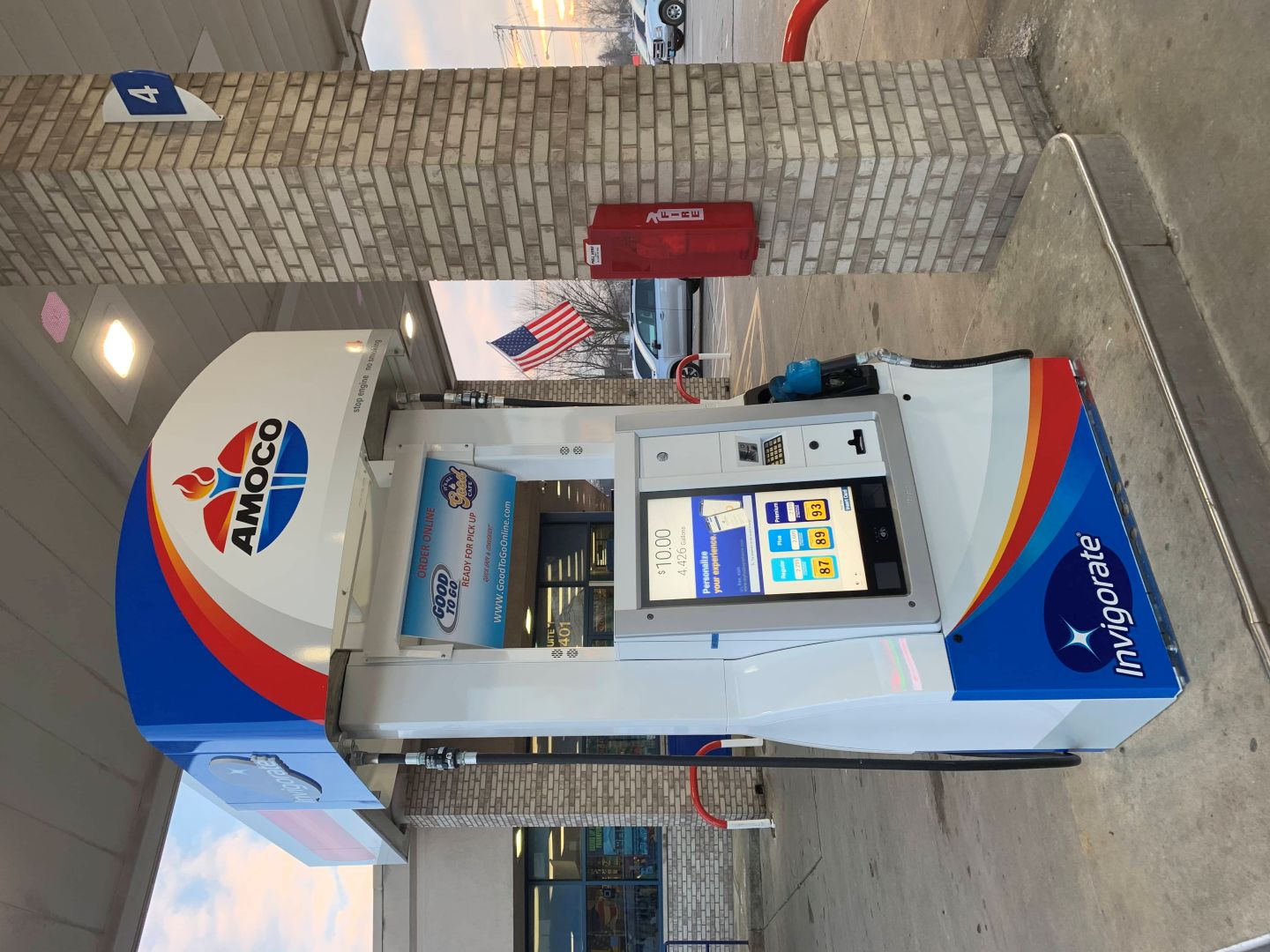
Gas Stations
short promotional messages
brand awareness
convenience retail offers
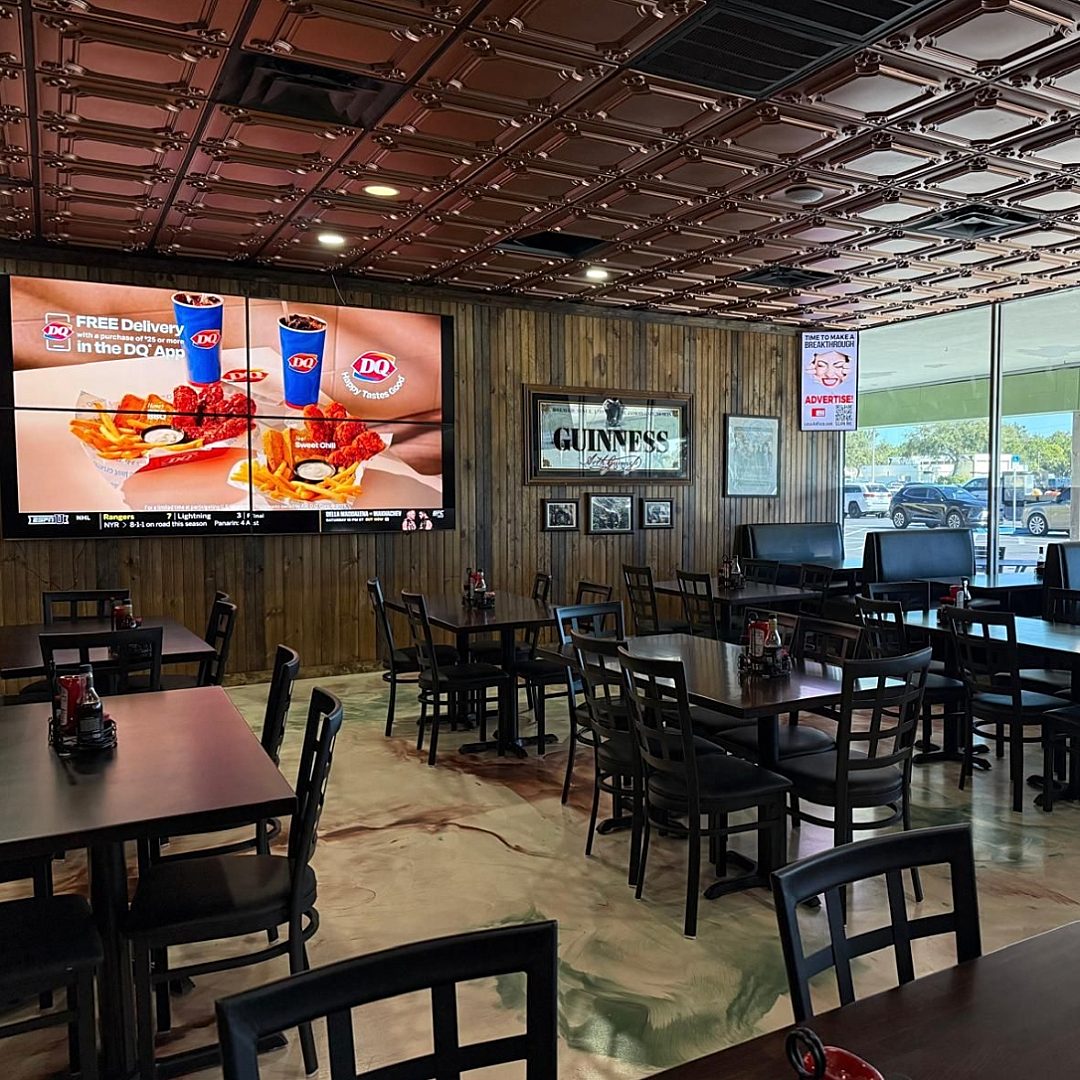
Office Building Networks
business services
financial products
B2B messaging
Digital Billboards
This is the most common format for DOOH advertising. This is the most common format for DOOH advertising.
Bold Visuals
Minimal Text
convenience retail offers
Retail Screens
This is the most common format for DOOH advertising. This is the most common format for DOOH advertising.
product-focused messaging
promotional offers
purchase prompts
Gas Stations
Vertical DOOH screens are common in environments where displays are mounted at eye level or integrated into kiosks.
short promotional messages
brand awareness
convenience retail offers
Office Building Networks
Square formats are less common but appear in retail environments and digital signage networks.
business services
financial products
B2B messaging
DOOH Creative Checklist
Before launching a DOOH campaign, confirm the following:


.png)